
Our History
1997
.jpg)
The Muskegon Environmental Research & Education Society (MERES) was formed. The Society received a gift of approximately 17 acres of land in the northeast corner of Muskegon Lake that was subsequently named The Muskegon Lake Nature Preserve.
1998 - 2000

A massive community volunteer initiative removed huge piles of asphalt and concrete, steel beams, a 45-foot platform scale, boards, metal, tires, and trash. Volunteers were then able to clear trails, including two that went all the way to the Muskegon River.
2001 - 2007
.webp)

Volunteers continued to clear debris, re-established native plant communities, and constructed the Outdoor Classroom in 2001, the Fred Wilder Observation Deck in 2003, the Al Bell Wetlands Trail in 2005, and finally the Wilder River Walk, dedicated in October 2007. The ecosystem began to flourish again, welcoming back migratory birds and local wildlife.
2008 - 2015
.jpg)
Continued restoration and maintenance efforts. Volunteers removed invasive species, kept up with boardwalk repairs, raised awareness about the Preserve within the community, and sought funding for operating costs and education programs.
2020 - 2021

.webp)
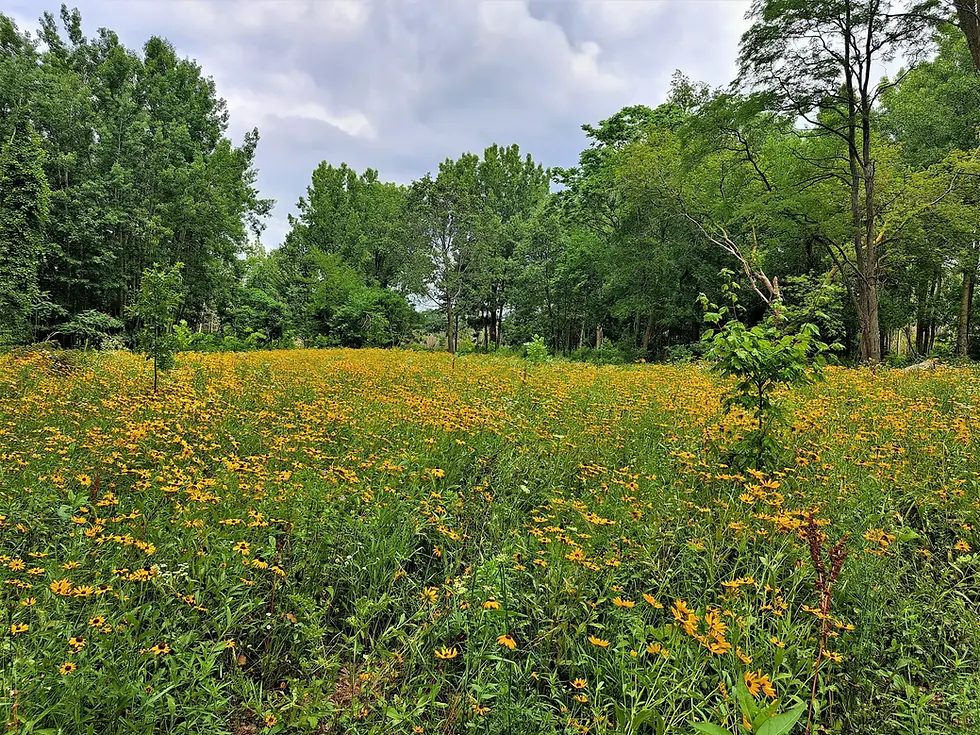
A NOAA grant funded restoration at the MLNP that included the removal of invasive plant species, excavation to create new wetlands, hydrologic connection between the Muskegon River/Muskegon Lake and wetlands within the preserve, and the installation of over 100 different native plant species. Over 40,000 plants were added to the Preserve. More information can be found here.
.webp)
2022 - 2025

In 2019, a section of the Wilder River Walk began to sag due the Muskegon River's shifting water patterns. Signs were posted and, eventually, the section had to be blocked off for safety reasons, as we looked for affordable repair options. In 2024, bolstering the wooden supports with steel beams was the most viable option. We started a campaign to raise the approximately $60,000 to make the repairs. We are so grateful that the community came through, once again, and the River Walk was reopened.

Present Day
.webp)
Today the 17-acre Preserve is a model of community-driven habitat stewardship, where hundreds of school children come each year, at no charge, to learn about their local environment first hand, and where residents of all ages connect with nature in their own backyard.
That long-term commitment to restoration contributed to a landmark achievement: the removal of Muskegon Lake from the U.S. EPA's list of Great Lakes Areas of Concern - proof that sustained local stewardship can heal even a heavily impacted ecosystem.
However, the Preserve's future is threatened by funding shortfalls, as donations haven't supplied the operating costs (~15K annually) that we need for insurance, invasive species removal, ongoing maintenance, restoration, etc. Please consider making a donation today.